

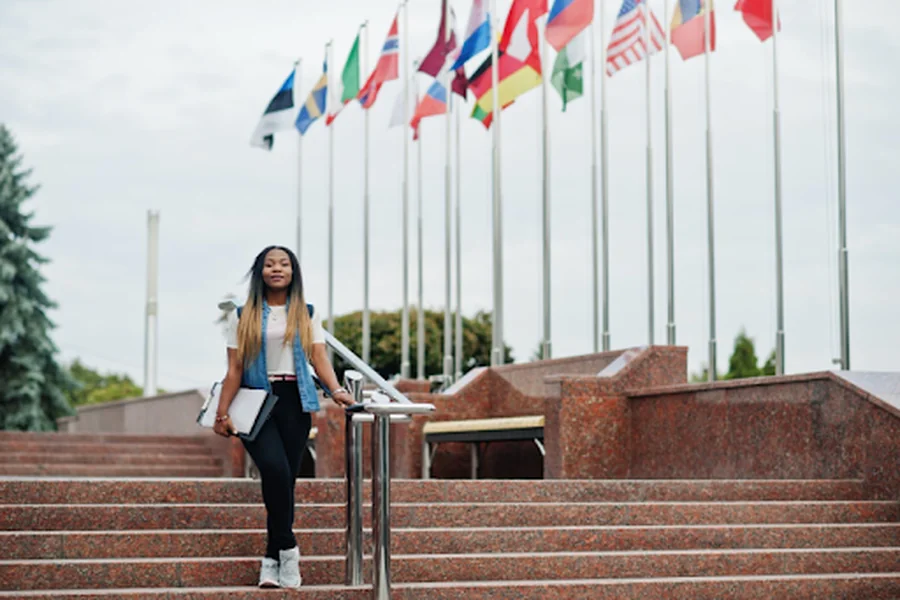
In the dynamic and highly developed city-state of Singapore, education plays a central role in shaping both local and expatriate communities. Known globally for its academic excellence, Singapore extends this reputation into its international school sector. These institutions are widely recognised for their high standards, diverse curricula, and multicultural environments. Among them, Chatsworth International is one of the top-ranking international schools in Singapore, offering a holistic and globally focused education experience.
The Educational Offerings
International schools in Singapore are designed to meet the needs of a highly diverse student population. Families from different countries seek educational systems that align with their home curricula or future academic pathways. As a result, these schools offer a variety of internationally recognised programmes, including the International Baccalaureate (IB), British, American, and Australian curricula.
This diversity ensures that students can transition smoothly between countries while maintaining academic continuity. It also allows families to select an education system that best suits their child’s learning style, strengths, and long-term aspirations.
International Baccalaureate (IB) Programme
The International Baccalaureate programme is one of the most widely offered and respected curricula in Singapore’s international schools. It focuses on developing students who are inquisitive, reflective, and globally minded. Rather than relying solely on memorisation, the IB framework encourages analytical thinking, research skills, and independent learning.
Students in the IB programme engage in a balanced curriculum that includes languages, sciences, mathematics, humanities, and the arts. The programme also places strong emphasis on creativity, community service, and critical inquiry, helping learners develop into well-rounded individuals prepared for higher education and global careers.
British Curriculum
The British curriculum is another popular option among international schools in Singapore. It is structured and academically rigorous, progressing through key stages that culminate in internationally recognised qualifications such as GCSEs and A-Levels.
This system is particularly valued for its depth in core academic subjects and its clear progression pathway. It allows students to specialise in selected subjects in their later years, which helps prepare them for university-level study. The curriculum also encourages analytical thinking and structured learning, which are highly regarded by universities worldwide.
American Curriculum
The American curriculum offers a more flexible and broad-based approach to education. Students typically work towards a high school diploma, with opportunities to explore a wide range of subjects based on personal interests and academic goals.
A key feature of this system is its emphasis on continuous assessment and coursework. Advanced Placement (AP) courses are often available, allowing students to experience college-level studies while still in school. This flexibility makes the American system particularly appealing to students who prefer a more adaptable and exploratory learning environment.
Campus Facilities and Extracurricular Activities
International schools in Singapore are known for their world-class facilities, which support both academic and personal development. These campuses are designed to create a conducive learning environment that extends beyond the classroom.
Classroom and Technological Integration
Modern classrooms in these schools are equipped with advanced technologies that enhance interactive learning. Digital tools such as smart boards, online learning platforms, and multimedia resources are commonly used to enrich lessons. This integration of technology helps students develop essential digital literacy skills, preparing them for a future driven by innovation, much like how structured and layered creative techniques such as decoupage build precision, adaptability, and attention to detail through practice.
Science laboratories, design studios, and computer labs further support hands-on learning, allowing students to apply theoretical knowledge in practical settings.
Sports and Arts Development
Physical education and creative arts are integral parts of the international school experience in Singapore. Students have access to high-quality sports facilities, including swimming pools, gymnasiums, and playing fields. These facilities encourage teamwork, discipline, and physical well-being.
In addition, arts programmes are well-supported through dedicated music rooms, art studios, and performance theatres. Students are encouraged to explore their creativity through visual arts, drama, and music, helping them develop confidence and self-expression.
Multicultural Environment and Language Learning
One of the defining characteristics of international schools in Singapore is their multicultural environment. Students from various nationalities study together, creating a rich and diverse community. This exposure fosters cultural awareness, empathy, and global understanding.
Language learning is also an important component of the curriculum. In addition to English, many schools offer languages such as Mandarin, French, Spanish, and others. This multilingual approach equips students with valuable communication skills in an increasingly interconnected world.
Cultural Exchange and Global Perspectives
International schools often organise cultural exchange programmes, international trips, and global collaboration projects. These experiences allow students to interact with peers from different countries and gain a deeper appreciation of global diversity.
Such exposure helps students develop adaptability and open-mindedness, qualities that are essential in today’s globalised society. It also prepares them for future academic and professional environments that require cross-cultural communication.
Parental Involvement
Parental engagement is considered an important aspect of the learning process in international schools. Many institutions actively encourage collaboration between parents and educators through regular communication and involvement in school activities.
Parent-Teacher Associations play a key role in building strong school communities. These associations help organise events, support school initiatives, and create a bridge between home and school environments, ensuring that students receive consistent support in their educational journey.
Regulatory Standards and Accreditation
International schools in Singapore operate under strict regulatory frameworks to ensure high-quality education. They are required to comply with guidelines set by local authorities as well as international accreditation bodies.
This regulatory oversight ensures that schools maintain consistent academic standards, safe learning environments, and effective teaching practices. Accreditation also provides assurance to parents that the institution meets globally recognised benchmarks.
Competitive Educational Landscape
The international school sector in Singapore is highly competitive, with institutions continually improving their programmes, facilities, and teaching methodologies. This competition drives innovation and ensures that schools remain aligned with global educational trends.
As a result, students benefit from high-quality education that is regularly updated to reflect new developments in teaching and learning. Schools strive to provide not only academic excellence but also holistic development opportunities.
Conclusion
The international school landscape in Singapore represents a vibrant and diverse educational ecosystem. With a wide range of curricula, advanced facilities, and a strong emphasis on global citizenship, these schools provide students with a comprehensive learning experience. Through academic rigour, cultural diversity, and holistic development, international schools in Singapore continue to prepare students for success in an increasingly interconnected world.
