

In the realm of personal expression, the world of interior design offers endless opportunities to redefine the essence of one’s living environment. A beautifully curated home does more than merely provide shelter; it speaks volumes about your preferences, aspirations, and lifestyle. The current trends in the design world, such as the innovative approaches inspired by Communa interior design ideas, offer fresh perspectives that anyone can incorporate into their homes to elevate their living experience.
Embracing Minimalism
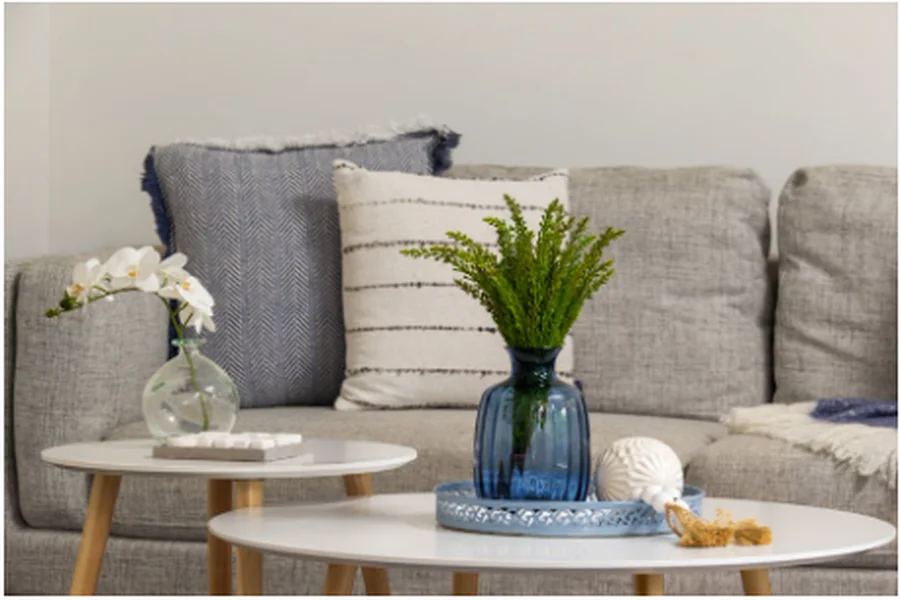
Minimalism continues to reign supreme in the interior design world, as it promotes a clutter-free environment that emphasises functionality without sacrificing style. The core of minimalist design is the removal of unnecessary elements to create a sense of calm and spaciousness. Thoughtful selection of furniture and decor, with a focus on neutral palettes and simple forms, allows for a harmonious balance between practicality and aesthetics.
Biophilic Design: Bringing Nature Indoors
The biophilic design principle focuses on the incorporation of natural elements into the built environment to enhance the well-being of its inhabitants. By integrating plants, natural light, and organic materials, you forge a connection with nature that is both soothing and invigorating. Design strategies such as large windows, indoor gardens, and the use of wood and stone can transform a space into a peaceful sanctuary brimming with life and vitality.
Vintage and Retro Revival
Nostalgic elements from the past have made a comeback in recent interior design trends. The allure of vintage and retro décor lies in its ability to infuse spaces with personality and whimsy. Oversized floral patterns, mid-century furniture, and bold colour schemes offer a sense of character that resonates with the warmth of bygone eras. These elements are seamlessly integrated into modern spaces, creating an eclectic mix that celebrates individuality.
Maximalism: Bold and Beautiful
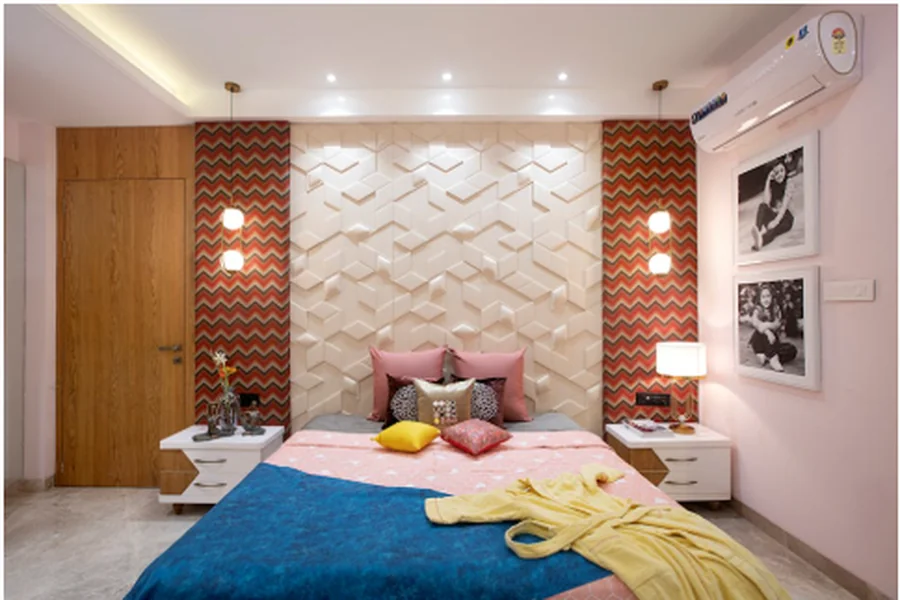
For those who revel in extravagance, maximalism provides an outlet for audacious creativity. This style is an antithesis to minimalism, embracing the “more is more” philosophy with gusto. Vibrant colours, mixed patterns, and unique decor items combine to create spaces that are as dynamic as they are visually stimulating. Maximalism encourages a rich layering of textures and an unapologetic embrace of personal taste.
Multifunctional Spaces
As lifestyle dynamics evolve, the demand for multifunctional spaces has grown. Purpose-driven design solutions transform single-purpose rooms into versatile living areas. For instance, a home office might double as a guest room, or a dining area might blend seamlessly with a casual lounge. Sliding partitions, foldable furniture, and modular seating facilitate this dual functionality, making efficient use of available space while maintaining aesthetics.
Smart Technology Integration
The integration of smart technology in interior design is reshaping the way we interact with our environments. From automated lighting systems to voice-controlled assistants, technology enhances comfort and convenience in our daily lives. Smart home features can be seamlessly integrated into design schemes without compromising on the ambience, offering a seamless blend of modernity and tradition.
Eclectic Mixes: Harmonising Styles
Modern interior design encourages breaking the conventional boundaries of style, promoting eclectic mixes that combine various influences into a coherent whole. Blending contemporary pieces with traditional designs creates a juxtaposition that highlights each element’s uniqueness. The strategic curation of contrasting genres not only tells a captivating story but also results in spaces that feel well-balanced and inviting.
Sustainable Choices
Environmental consciousness in design is more than a passing trend; it’s a responsibility. By opting for sustainable materials and practices, interior designers contribute to a more sustainable future. Reclaimed wood, recycled metals, and eco-friendly fabrics are not only kind to the planet but also offer unique textures and narratives that enhance a space’s character. Emphasising sustainability in design aligns environmental stewardship with aesthetic appeal.
Colour Psychology in Design
The impact of colour in our living spaces cannot be undiminished. Colours influence moods and emotions, making them a powerful tool in design. Understanding the psychology behind colours allows for the intentional creation of atmospheres that foster desired feelings and behaviours. Calming blues and greens might be chosen for bedrooms, while energising yellows and reds could invigorate social spaces.
Personalisation and Bespoke Items
In an age where individuality is celebrated, bespoke and personalised design elements make a significant impact. Tailor-made furniture, custom artwork, and personalised decor items infuse spaces with a sense of ownership and authenticity. This uniquely personal approach to design ensures that every space is a reflection of the occupants’ identity and style preferences, making it truly one of a kind.
Open-Plan Living
The concept of open-plan living promotes unobstructed flow and fluidity between different functional areas of a home. By removing barriers, open-plan spaces connect living, dining, and kitchen areas seamlessly, creating a spacious and light-filled environment. This layout encourages interaction and flexibility, adapting comfortably to various lifestyle needs and aesthetic preferences.
Textural Variations
In interior design, texture adds depth and complexity to a space. Through the juxtaposition of different materials and finishes, a visually interesting and tactile ambience is achieved. Combining smooth surfaces with rough, soft with hard, and shiny with matte encourages exploration and engagement with a space. Textural layers bring warmth and richness, fostering an environment of comfort and visual intrigue.
Incorporating Statement Pieces
A well-chosen statement piece can elevate a space from ordinary to extraordinary, becoming a focal point that draws attention and admiration. Whether it’s an oversized piece of art, an intricately designed chandelier, or a bold piece of furniture, statement items command spaces with authority and flair. These elements not only anchor a room but also convey the designers’ boldness and innovation.
Incorporating Local Art and Culture
Infusing spaces with elements of local culture and art brings authenticity and a sense of place. Incorporating traditional motifs, crafts, and artworks contributes to the richness of a space’s narrative, deepening its connection to its cultural context. This approach fosters an appreciation for local talent and heritage, making every room a testament to the community’s unique artistry.
