


The dynamic nature of modern work environments has birthed a novel workspace solution, often referred to as the hot desk concept, an innovative approach designed to maximise space and foster collaboration while reducing overhead costs. As businesses continue to navigate the realm of flexible work arrangements, this agile solution has gained significant traction, offering myriad benefits to both companies and employees.
Understanding the Hot Desk Concept
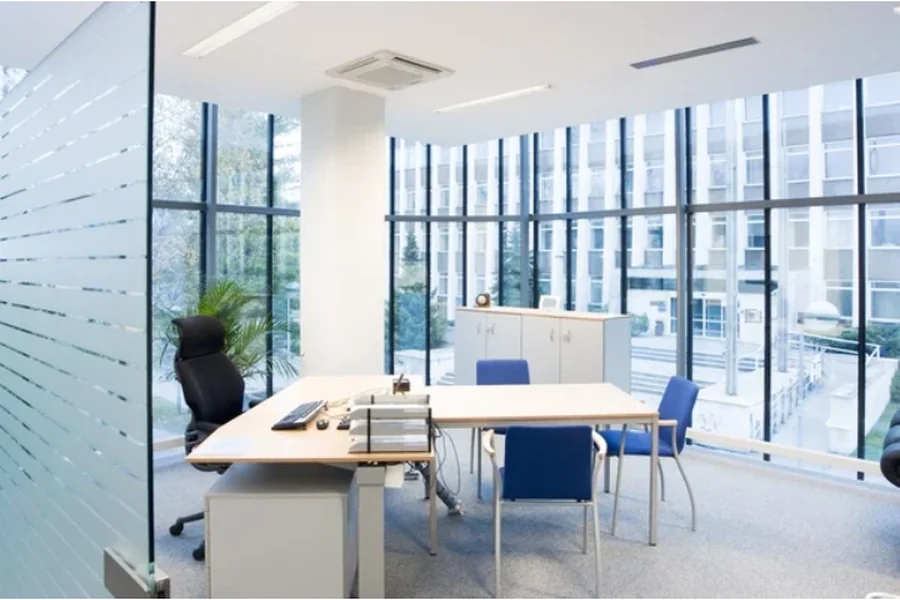
The traditional office layout, characterised by assigned workstations and cubicles, has undergone a radical transformation with the advent of hot desking. In essence, this practice involves utilising a shared workspace where desks are available on a first-come, first-served basis. Employees do not have a fixed desk but instead utilise any available workstation, promoting a flexible and efficient allocation of space. The implementation of hot desking has been facilitated by technological advancements, such as cloud-based software, that enable employees to access their work from anywhere, thereby complementing the fluid nature of this concept.
Advantages of Hot Desking
Increased Space Efficiency
One of the primary motivators for adopting hot desking is its capacity for optimising office space. By eliminating the need for assigned seating, organisations can significantly reduce the square footage required for their operations. This is particularly advantageous in urban environments where real estate costs are exorbitant. The hot desking model allows businesses to increase employee density without compromising on comfort or productivity.
Fostered Collaboration and Innovation
The permeable nature of hot desking also encourages collaboration and cross-departmental interactions. Without the confinement of static seating arrangements, employees from different projects or departments have more opportunities to engage with one another, exchange ideas, and foster a culture of innovation. This approach supports diverse workgroups and can lead to the serendipitous exchange of knowledge and creative solutions.
Reduction in Overheads
From a financial perspective, the reduction in dedicated office space and resources translates to decreased overheads. Businesses can save on utility bills, maintenance costs, and office supplies. Additionally, fewer workstations mean less furniture and equipment to purchase and maintain, allowing companies to funnel savings into other areas, such as technology upgrades or employee development programmes.
Challenges Associated with Hot Desking
Potential for Disruption
While the benefits of hot desking are notable, there are challenges associated with its implementation. The lack of personal space can lead to disruptions in workflow, as employees need to adjust to different environments and colleagues daily. This variability can be unsettling for some individuals, potentially impacting productivity and focus.
Sense of Belonging
Another consideration is the diminished sense of belonging that might accompany an impersonal work environment. The absence of a personal desk can affect an employee’s emotional connection to the workplace, leading to feelings of dislocation or disengagement. Employers need to address these aspects through thoughtful office design and organisational culture initiatives to ensure employees feel valued and connected.
Hot Desking in Practice
Implementing a Successful Hot Desking Strategy
For organisations opting to introduce hot desking, a carefully thought-out strategy is crucial for its success. This includes setting clear guidelines on how the system will operate, providing reliable technology support, and ensuring employees have the necessary resources to perform their duties effectively, regardless of location. Ensuring a seamless experience calls for robust Wi-Fi connectivity and access to shared work tools, such as printers and telecommunication systems.
Flexibility and Personalisation
Although hot desking inherently involves shared spaces, offering elements of personalisation can help mitigate issues related to a lack of personal desk ownership. Incorporating lockers or storage options for personal items can help employees feel a greater sense of ownership and control over their environment. Feedback loops can also be beneficial, allowing employees to voice their needs and concerns, which can be addressed to enhance their workplace experience.
Future Implications and Trends
Reshaping Office Culture
As more businesses embrace hot desking, the concept is poised to reshape traditional office cultures. A shift towards more fluid and adaptable office spaces aligns with broader trends in work-life balance and the demand for more autonomy in how work is structured. This evolution is accompanied by an increased recognition of output over mere attendance, fostering a results-orientated culture.
Integration of Hybrid Work Models
The integration of hot desking is well-suited to hybrid work models, where employees split their time between the office and remote locations. This versatility supports a distributed workforce, accommodating varying personal circumstances and promoting inclusivity. By enabling employees to choose their work environment, companies can position themselves as adaptable and forward-thinking employers, attracting top talent.
