


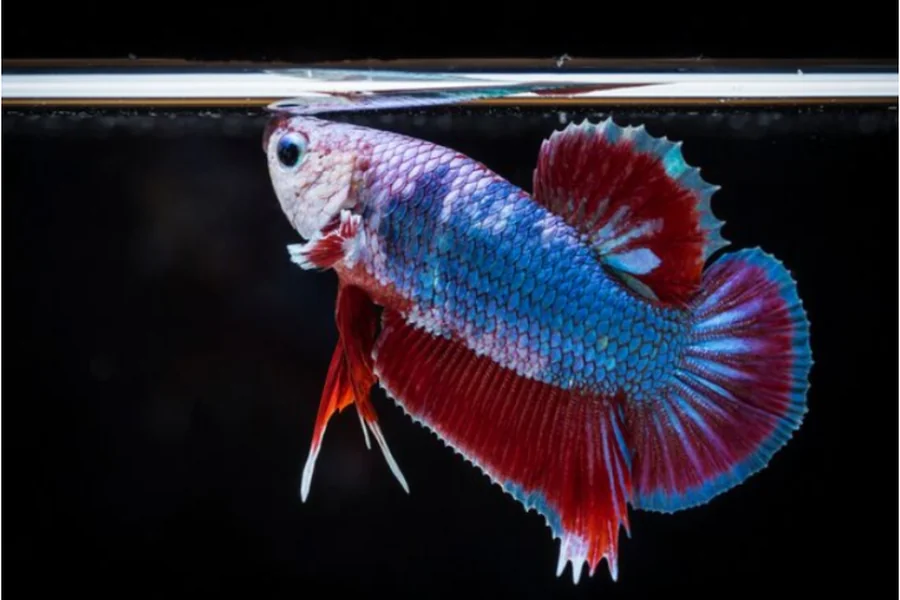
Betta fish are among the most popular freshwater fish because of their bright colors, flowing fins, and active personalities. While they are easy to keep compared to many other aquarium fish, they still need the right care to stay healthy. Many new fish owners rely on a best food for Betta fish guide to understand which foods provide the proper nutrition for growth, energy, and vibrant color development. One of the most important parts of that care is providing the right diet.
Many new owners believe that any fish food will be enough for a Betta. In reality, Betta fish have specific nutritional needs that differ from many other tropical fish. Giving them the right food helps them maintain strong fins, healthy growth, bright colors, and an active lifestyle. A poor diet, on the other hand, can lead to health problems, reduced energy, and a shorter lifespan.
In the wild, Betta fish mainly feed on insects, insect larvae, and other small creatures found on or near the water’s surface. This means they naturally require a diet that is rich in protein. Replicating these feeding habits as closely as possible will help keep your Betta in excellent condition throughout its life.
Choosing High-Quality Pellets for Everyday Feeding
Pellets are one of the most popular food choices for Betta fish because they are easy to use and designed to provide balanced nutrition. Most premium Betta pellets contain a combination of protein, healthy fats, vitamins, and minerals that support daily health.
Unlike general tropical fish food, Betta pellets are usually produced with the dietary needs of carnivorous fish in mind. They are also made in sizes that are easier for Bettas to eat comfortably.
Not all pellets are created equally. Reading the ingredient label before buying can help you choose a better product. High-quality options usually list fish meal, whole fish, shrimp meal, or similar protein sources first. It is also a good idea to avoid foods that contain excessive amounts of wheat, corn, or soy as primary ingredients because these provide limited nutritional value for Betta fish.
Fresh pellets should also be stored properly. Keeping the container sealed and away from heat and moisture helps preserve the nutrients for longer.
Adding Live Food for a More Natural Diet
Live food is one of the closest options to what Betta fish eat in their natural habitat. Many owners notice that their Bettas become more active and interested during feeding when live food is offered.
Live foods encourage natural hunting behavior, giving Bettas both physical activity and mental stimulation. This can make feeding time more engaging while also providing valuable nutrients.
Brine shrimp and daphnia are among the most common live foods given to Betta fish. Both are rich in protein and contain nutrients that support healthy growth. These foods are also relatively easy for Bettas to digest.
When purchasing live food, always choose trusted suppliers. This reduces the risk of introducing harmful bacteria or parasites into the aquarium.
The Benefits of Frozen and Freeze-Dried Foods
If live food is not always available, frozen and freeze-dried products offer excellent alternatives. They provide many of the same nutritional benefits while being easier to store and use.
Frozen bloodworms, brine shrimp, and other frozen foods retain much of their nutritional value because they are preserved quickly after harvesting. Many Betta owners include these foods several times a week to provide dietary variety.
Freeze-dried foods are another convenient option. They have a longer shelf life and are easy to keep on hand for regular feeding. Before serving freeze-dried food, it is recommended to soak it briefly in water. This softens the food and makes it easier for the fish to digest.
Offering different food types throughout the week helps prevent boredom and ensures a wider range of nutrients.
Feeding the Right Amount Each Day
Providing the correct amount of food is just as important as choosing quality ingredients. Overfeeding is one of the most common mistakes made by Betta owners. Excess food can pollute the water, leading to poor water quality and increasing the risk of disease.
A healthy adult Betta usually does well with small meals once or twice each day. The amount should be enough for the fish to finish within a couple of minutes. Any food left behind should be removed promptly to keep the aquarium clean.
Watching your Betta during feeding is helpful. Healthy fish usually eat eagerly and show interest when food is offered. If your Betta regularly ignores food or leaves it uneaten, it may be worth adjusting the portion size or trying another type of food.
Maintaining Good Water Quality During Feeding
The food you provide affects more than your Betta’s nutrition. It also has a direct impact on the quality of the aquarium water.
Uneaten food quickly breaks down, releasing waste into the water. This can increase ammonia levels and create an unhealthy environment. Poor water quality places stress on Betta fish and makes them more vulnerable to illness.
Regular water changes, proper filtration, and removing leftover food all help maintain a clean aquarium. Feeding sensible portions also reduces waste and keeps the tank in better condition.
A clean environment works together with a balanced diet to support your Betta’s overall health.
Why Variety Creates a Healthier Diet
Feeding the same food every day may provide basic nutrition, but offering different food sources can create a more complete diet. A combination of quality pellets, frozen foods, occasional live foods, and limited digestive support when needed allows your Betta to receive a wider range of nutrients.
Changing food choices throughout the week can also make feeding more interesting. Bettas are curious fish and often respond well to variety, becoming more active during mealtimes.
A balanced feeding routine does not need to be complicated. Choosing several high-quality foods and rotating them regularly is often enough to support long-term health.
Creating Healthy Feeding Habits for Your Betta
Good nutrition plays a major role in keeping Betta fish healthy throughout their lives. Selecting foods that match their natural carnivorous diet, feeding sensible portions, and maintaining clean water all work together to support their well-being.
High-quality pellets can serve as the foundation of daily feeding, while frozen or live foods add variety and additional nutrients. Occasional digestive support, careful observation during feeding, and proper aquarium maintenance also contribute to better health.
Every Betta is unique, so it may take some time to learn its preferences and adjust its feeding routine. Paying attention to how your fish responds to different foods will help you create a diet that supports healthy growth, strong fins, bright colors, and consistent activity.
With the right approach, your Betta can enjoy a nutritious diet that closely reflects its natural feeding habits, helping it remain healthy and active for many years.
