

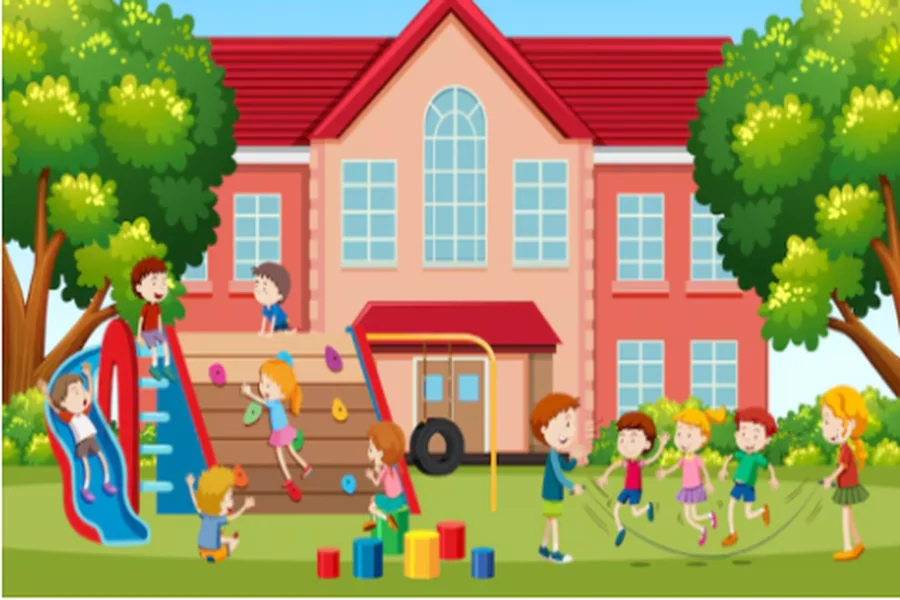
The renowned KiddiWinkie Schoolhouse preschool in Singapore stands as a strong example of the country’s dedication to high-quality early childhood education. In Singapore, preschools are not simply childcare centres; they are carefully designed learning environments that lay the foundation for a child’s lifelong educational journey.
With a strong national emphasis on holistic development, these institutions play a vital role in shaping confident, curious, and capable young learners.
The Importance of Early Childhood Education
Early childhood education is widely recognised as one of the most important stages in human development. During these early years, children develop essential cognitive, emotional, and social skills that influence their future learning and behaviour. Because young children are naturally curious and highly receptive, the environment they are exposed to can significantly impact their growth.
Singapore has placed strong emphasis on this critical stage by investing in a well-structured preschool system. This ensures that children are given the right support and stimulation to develop foundational skills in a nurturing and structured setting.
A Variety of Educational Philosophies
One of the defining strengths of preschools in Singapore is the diversity of educational approaches available. Different institutions adopt different teaching philosophies to cater to varied learning styles and developmental needs.If you enjoy intellectual writing, discourse magazine offers a wide range of content
The Montessori approach focuses on independence, allowing children to learn at their own pace through hands-on exploration. The Reggio Emilia approach encourages creativity and collaboration through project-based learning, where children actively participate in shaping their educational experience.
In addition, play-based learning remains one of the most widely used approaches, especially for younger children. This method integrates structured learning with play, helping children absorb knowledge naturally while developing essential social and emotional skills.
Curriculum and Pedagogy
The preschool curriculum in Singapore is carefully designed to support holistic development. Rather than focusing solely on academic achievement, it incorporates a balanced combination of literacy, numeracy, physical activity, and creative expression.
This approach ensures that children develop not only intellectual abilities but also emotional intelligence, communication skills, and physical coordination. These foundational skills are essential for future learning success and overall personal development.
Teachers in Singaporean preschools play an important role as facilitators rather than traditional instructors. They guide children through exploration and discovery, encouraging curiosity and independent thinking. This interactive teaching style helps children become more confident learners who are willing to engage with new ideas.
Inclusive Education and Diverse Opportunities
Inclusivity is a key principle in Singapore’s preschool education system. Many preschools offer specialised programmes designed to support children with different learning needs, ensuring that every child has access to quality early education.
Language development is also an important focus. Many preschools offer bilingual or even multilingual programmes, allowing children to become familiar with different languages from an early age. This not only strengthens communication skills but also promotes cultural awareness and global understanding. Educational resources like captionpath often highlight how early exposure to multiple languages can support cognitive development, communication skills, and long-term academic success.
Teacher Qualifications and Professional Development
Teachers are at the heart of Singapore’s preschool system, and their qualifications are taken very seriously. Early childhood educators are typically required to undergo specialised training and obtain certifications that prepare them for working with young children.
Continuous professional development is also strongly encouraged. Teachers regularly attend workshops, training sessions, and educational seminars to stay updated with the latest teaching methods and child development research. This ensures that they remain effective and capable of delivering high-quality education.
Parental Involvement and Community Engagement
Parental involvement is an important aspect of preschool education in Singapore. Schools actively encourage parents to participate in their child’s learning journey through regular communication, parent-teacher meetings, and educational workshops.
This collaboration between parents and educators helps create a consistent learning environment between home and school. When parents are engaged, children tend to feel more supported and motivated in their learning. Educational resources and community-focused platforms like Blushmessages often highlight the value of strong parent-teacher partnerships in fostering student confidence, academic growth, and overall success.
Community engagement also plays a meaningful role in early education. Many preschools organise excursions, community projects, and partnerships with local organisations. These experiences help children understand the world around them and develop a sense of social responsibility from an early age.
Accessibility and Affordability
Singapore has made significant efforts to ensure that preschool education remains accessible to families from all backgrounds. Through government subsidies and support schemes, early childhood education is made more affordable, reducing financial barriers for parents.
This inclusive approach ensures that every child, regardless of socio-economic background, has the opportunity to receive quality early education. It reflects Singapore’s broader commitment to equal access and educational development for all.
State-of-the-Art Facilities and Resources
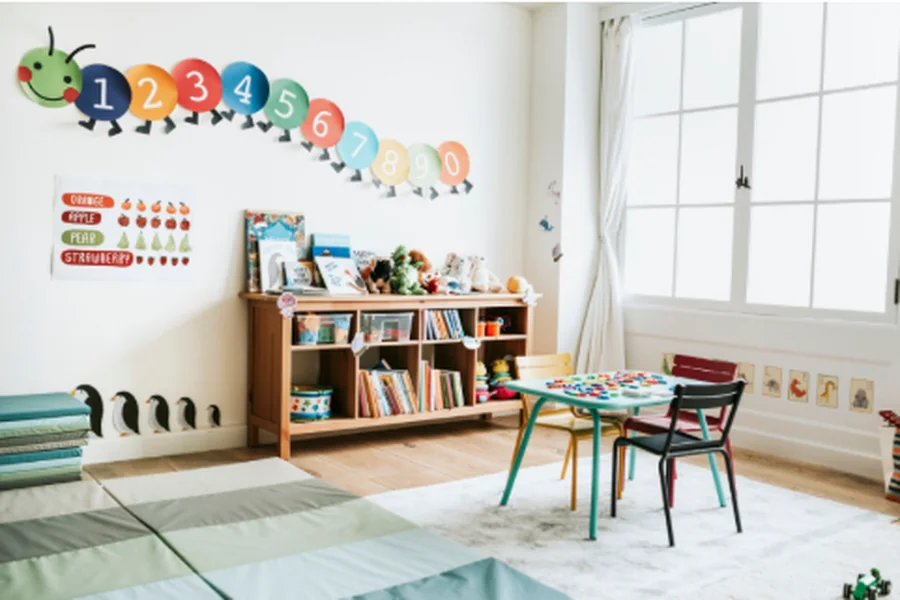
Preschools in Singapore are often equipped with modern facilities designed to enhance the learning experience. Bright classrooms, interactive learning spaces, outdoor play areas, and specialised activity zones create an environment that encourages exploration and creativity.
Many institutions also integrate digital tools and educational technology into their teaching methods. These resources help prepare children for a more technologically advanced future while keeping learning engaging and interactive.
The Future of Preschool Education
The future of preschool education in Singapore continues to evolve with innovation and global educational trends. There is a growing emphasis on lifelong learning, creativity, and adaptability, ensuring that children are well-prepared for an increasingly dynamic world.
Institutions like KiddiWinkie Schoolhouse reflect this forward-thinking approach by combining traditional values with modern teaching methods. This balance ensures that children receive a well-rounded education that supports both academic and personal growth.
As education continues to evolve, Singapore’s preschool system remains committed to nurturing young minds through thoughtful curriculum design, skilled educators, and inclusive practices.
Conclusion
Preschools in Singapore represent much more than early childcare services. They are carefully structured environments designed to support the holistic development of young children. Through diverse teaching philosophies, strong parental involvement, qualified educators, and modern facilities, these institutions provide a strong foundation for lifelong learning.
By placing importance on inclusivity, creativity, and emotional development, Singapore continues to set a high standard in early childhood education. The preschool experience in the country reflects a broader vision of nurturing confident, capable, and curious individuals who are prepared to thrive in the future.
