

Planning a reliable home power system often involves more than purchasing equipment. Many homeowners eventually reach a point where they evaluate long-term solutions to keep essential systems operating during power outages. During this stage, installing a whole-home generator becomes a practical solution.
Unlike small backup devices, whole-home generators connect directly to a house’s electrical infrastructure. When installed correctly, these systems can support essential appliances and lighting during outages.
Understanding how the installation process works helps homeowners select the right generators for home power support.
Understanding The Role Of Whole Home Generators
Whole-home generators function as secondary power sources connected to a house’s electrical system. When power from the utility grid stops, the generator starts supplying power to selected circuits.
This capability allows appliances such as refrigerators, lighting systems, and communication equipment to continue operating. Using a home generator for power outages ensures your essential household appliances continue to function.
Because these systems connect directly to household wiring, the installation process involves several technical considerations that should be evaluated before purchasing equipment.
Choosing The Right Generator Type
The first step in the installation process involves selecting the generator type that best fits the home. Several generator designs exist, each suited for different energy needs and installation approaches.
- Portable generators provide temporary power and can be moved easily from one location to another.
- Inverter models represent another category designed to produce stable electricity for sensitive electronics.
Many households consider inverter generators because they deliver consistent voltage to devices such as computers and communication equipment.
Some homeowners also consider inverter generators for home use when they need quieter power solutions for smaller backup systems.
Determining The Appropriate Generator Capacity
Generator capacity determines how many appliances the system can support during a power interruption. Choosing the correct capacity, therefore, plays a critical role in the installation process.
Homeowners should begin by identifying appliances that must remain operational during an outage. Refrigerators, lighting systems, internet routers, and heating equipment often appear on this list.
After identifying these appliances, estimating the total power requirement helps determine which home-use generators provide adequate electrical output. A properly sized generator ensures stable performance during extended outages.
Selecting A Suitable Fuel Source
Generators rely on different fuel sources to produce electricity. The most common options are natural gas and propane. Some generators may also operate on gasoline or other fuels.
Choosing a fuel source requires evaluating availability, storage requirements, and operating costs. Homes connected to natural gas pipelines may find this option convenient because the generator can access fuel continuously.
Regardless of the fuel choice, the generator must support reliable operation when used as a home generator for a power outage protection system.
Preparing The Installation Location
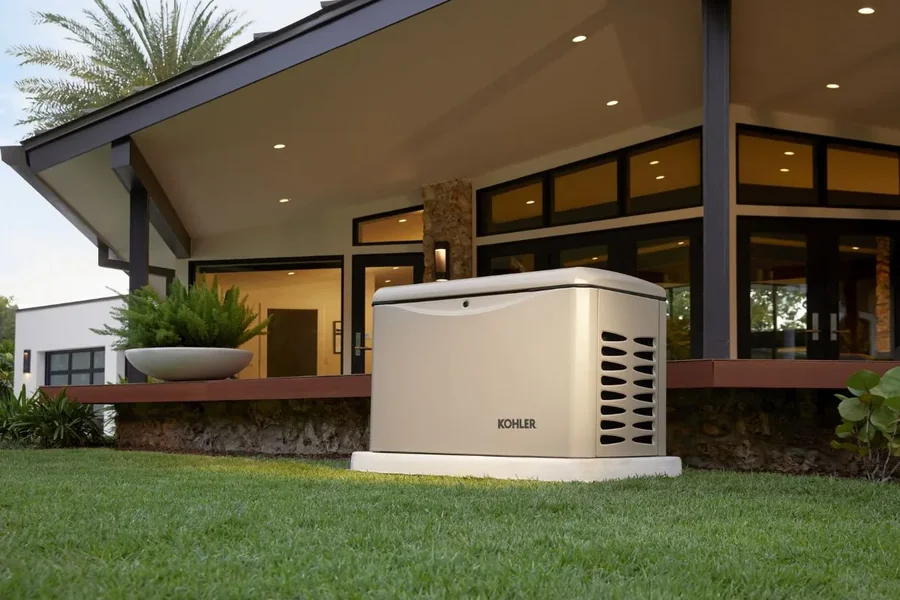
Whole-home generators must be installed outdoors in a location that supports safe operation and maintenance access. Placement should allow technicians to connect the generator to both the electrical system and the fuel supply line.
The generator should also remain accessible for routine inspection and servicing. Proper placement helps ensure safe airflow and reduces operational noise near living spaces.
Choosing the right installation location helps improve long-term reliability and simplifies maintenance for home generators.
Connecting The Generator To The Electrical System
Once the generator and installation site have been selected, the next step is to integrate the generator with the home electrical panel. The connection enables electricity originating from the generator to flow safely throughout the household circuit.
Electricians typically install a transfer switch that manages the transition between utility power and generator power. This device ensures that electricity flows safely and prevents overload when the generator activates.
Professional installation ensures the generator operates safely when used as a home generator for power outages.
Testing The Generator System
After installation is complete, the generator must be tested to verify proper operation. Testing confirms that the generator activates when power is lost and supplies adequate power to the selected circuits.
During this process, technicians evaluate electrical output, system response time, and fuel delivery. Any adjustments can be made before the generator is integrated into the household power system.
Testing helps ensure that both inverter generators and larger standby units operate reliably when the system is needed.
Maintaining and Tracking Generator Performance
Routine maintenance helps keep generators operating efficiently for many years. Maintenance typically includes inspecting engine components, checking fuel connections, and testing electrical output.
Owners of inverter generators for home use should also run their systems periodically to confirm that the generator starts and produces electricity properly. Regular inspections highlight potential problems before they affect generator performance.
Conclusion
Installing a whole-home generator involves several important steps to ensure reliable operation and long-term performance. Selecting the correct generator type, determining the power capacity, and selecting a suitable installation location are essential to ensure a long-term, reliable power solution.
https://happyhiller.com/electrical/how-to-add-a-whole-home-generator-to-your-home/
