

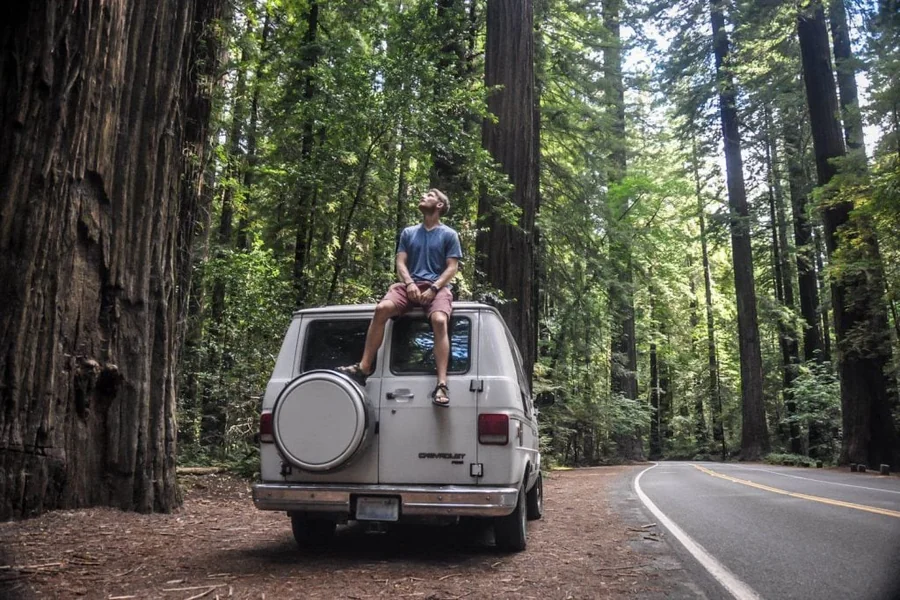
It is just something about road trip that makes it unique and liberating. None of the airport queues and none of the timetables that are too strict and hard to live with and everything that makes life very difficult and that needs to be changed any time the mind feels like it will not hurt anybody any how. On road trips are actually one of the least expensive methods of transportation provided you go about it with a little planning. How to cheaply plan road trips is all about making good decisions prior to your departure so that you could become spontaneous and relaxed once away there.
Start With Route Planning That Makes Financial Sense
Your budget is directly affected by the route you take. Longer trips are associated with more fuel, which is usually one of the most significant expenses during any road trip. Pick the road which is narrow enough to take some time to enjoy the journey rather than one wherein you are driving eight hours in a day just in order to get to the next destination.
Fuel cost calculators such as those found in apps like GasBuddy will allow you to estimate how much you will spend on gas, based on your vehicles mileage, and current gas prices along your route. Use a pre-planned route based around such natural stopping points as state parks picturesque towns and free attractions helping for the most out of every mile you order around.
Budget Your Costs Before You Leave
The trouble of driving mistake is the approach to overestimate expenses. The food used to accommodate the fuel and some other unforeseen expenses such as flat tire and some unexpected attraction all contribute. Creating a daily budget prior to departure and monitoring it in a basic spreadsheet or budgeting application can help you not to have to go through the unfortunate experience of realizing halfway way through the trip that you had completely outspent your budget.
Split your budget into daily expenses: fuel per day accommodation food activities and a buffer on the possible unexpected costs. It is always prudent to have a reserve to your total budget in case of any unfortunate incidents.
Choose Accommodation That Saves Money
Most road trippers find accommodation where most flexibility to save happens. One of the least expensive and the most profitable alternatives is camping. National forest and BLM land provides free dispersed camping on millions of acres of the Western USA. Campgrounds in state parks are extremely low-priced and well-maintained. There are numerous free and cheap camping spots all over the country, which you can identify with the help of the apps such as iOverlander and Campendium.
Even if camping is not your style budget motels and roadside inns all over the US highway system are astoundingly affordable, and would be particularly, when reserving directly through the motel reservation system and not via a third party reservation system. Staying at least a night or two in a hostel in major cities on your path will slash the cost of accommodation by much compared to hotels.
Food Strategy for Road Trips
How you spend on food may be the best thing on a road trip or your budget buster depending on your strategy. Making your own breakfast and lunch in a cooler or camp kitchen will be much cheaper. Parenthesis can be made by stopping at grocery stores and farmers markets along the road to access fresh local food without costs in restaurants.
Eat restaurant meals when you are experiencing something really special eat-out restaurants that reflect the food culture of the region that you are passing through. In New Mexico a great bowl of green chile stew is worth budgeting or in Northern California, fresh crab is worth the budget. Bypass fast food chains that neither may be remembered nor may qualify as valuable.
Free and Low-Cost Activities Along the Way
A few of the most remarkable road trip experiences have no cost attached to them. In national parks, entry fees are charged but with the America the Beautiful pass it is very cheap. There is no entrance fee at all on state parks and national forests. The swimming in rivers and lakes, visiting small towns and viewing roadside attractions are all either free or very low.
Public art and historic places tend to be free. Small local museums frequently have suggested donation entry. Being open to the unexpected push-off the unmarked trail-head is part of what makes the road trips so great and these finds are almost free.
Reduce Fuel Costs Smartly
The fuel is an important road trip cost yet there are actual methods to lessen fuel expenses. When driving at a moderate but steady pace instead of speeding up, and braking hard, one will see a significant improvement in fuel efficiency. Proper inflation of tires lowers the rolling resistance and conserves fuel. GasBuddy allows you to find the lowest prices of all gas stations along your route and saves you money particularly in states where fuel prices dramatically differ across cities and surrounding urban and rural zones.
When using a hybrid or electric car you also need to plan the route around the charging station but you can save a lot of money in fuel.
Final Thought
Learning how to plan cheap road trips is largely about doing the preparation that will enable you to relax and enjoy the ride once you are on the road. Budget be truthful with your decisions and carefully consider your path choose free and low-cost experiences and enjoy camping or cheap accommodation. Such a road trip is precisely the sort of curiosity and open-mindedness that no money can purchase. Make plans and then have the freedom.
FAQs
How much should I budget per day for a road trip?
A realistic budget for a solo traveler camping and preparing most meals is 50 to 80 USD per day. Couples or groups sharing costs can get this even lower. Those preferring motels and restaurants should budget 100 to 150 USD per day.
What is the cheapest accommodation for a road trip?
Dispersed camping on national forest and BLM land is often completely free. State park camping is affordable. Hostels in cities are the cheapest option if you prefer a roof over your head.
How do I find free camping spots?
Apps like iOverlander Campendium and FreeRoam show user-reported free camping locations across the USA including dispersed camping areas on public land.
Should I rent a car or use my own for a road trip?
Using your own vehicle avoids rental costs and mileage restrictions. If your vehicle is not fuel-efficient or reliable renting a fuel-efficient car can actually save money on longer trips.
What are the biggest unexpected road trip expenses?
Vehicle breakdowns parking in cities toll roads and admission fees to attractions you did not plan for are the most common budget surprises. Building a contingency fund into your budget handles most of these.
