

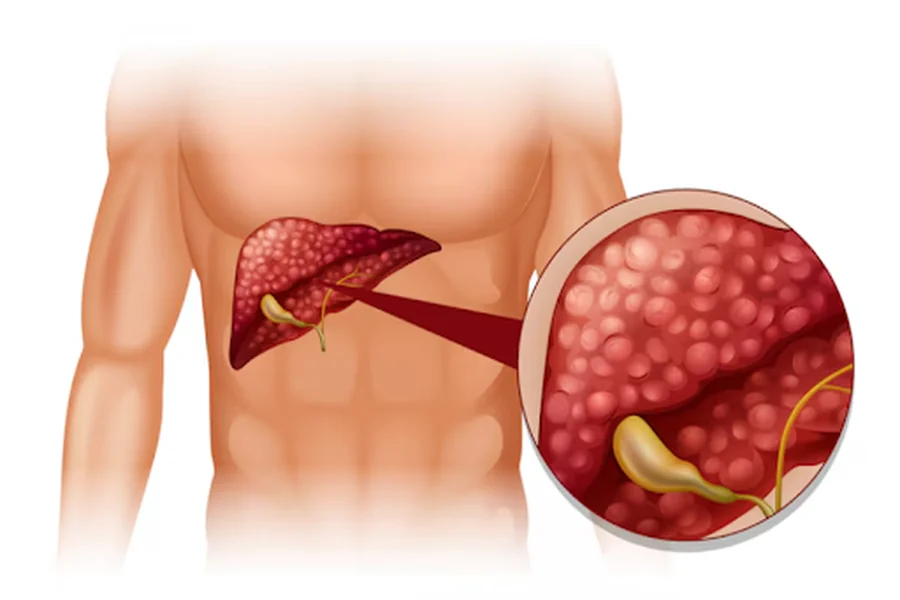
Gallstones are hardened deposits that form in the gallbladder as a result of imbalances in digestive fluids. These small, stone-like structures can vary in size and may develop silently without noticeable symptoms. Readers can visit https://www.drthngyongxian.com/gallstones/ to gain a deeper understanding of the symptoms, diagnosis, and available treatment options. For a more detailed medical perspective, further information can be found at Dr Thng Yong Xian Gallstones Resource, which provides insights into diagnosis and treatment options.
What Causes Gallstones?
Gallstones form when there is an imbalance in the chemical composition of bile, a digestive fluid produced by the liver and stored in the gallbladder. When substances in bile, such as cholesterol or bilirubin, become too concentrated, they can crystallise and form stones.
There are two main types of gallstones:
Cholesterol Gallstones
These are the most common type and are mainly made up of hardened cholesterol. Contrary to common belief, they are not always directly linked to dietary cholesterol intake.
Pigment Gallstones
These are smaller and darker in colour and are formed from excess bilirubin, a substance produced during the breakdown of red blood cells.
Several risk factors contribute to gallstone formation, including obesity, rapid weight loss, high-fat diets, genetics, and hormonal changes. Women, particularly those who are pregnant or using hormone-based medication, are generally at higher risk.
Symptoms and Diagnosis of Gallstones
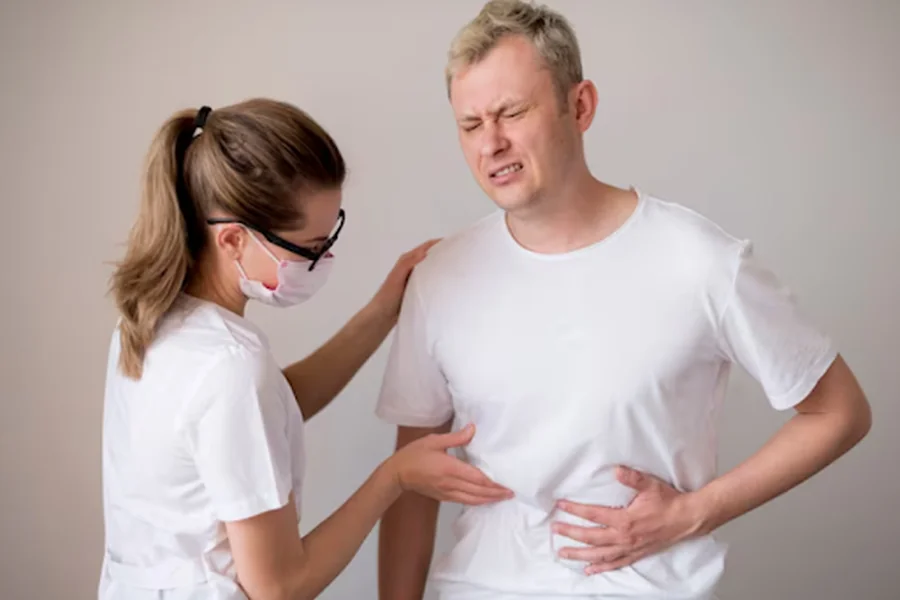
Many individuals with gallstones do not experience symptoms and may remain unaware of their condition. When symptoms do occur, they are often referred to as biliary colic.
This typically involves sudden and intense pain in the upper right abdomen or centre of the stomach. The pain may spread to the back or right shoulder and can last from a few minutes to several hours.
Common diagnostic methods include:
Ultrasound Scans
This is the most widely used method for detecting gallstones, as it provides clear imaging of the gallbladder.
CT Scans
These scans offer more detailed images and help rule out other abdominal conditions.
MRI Scans
Magnetic Resonance Imaging (MRI) provides high-resolution images of bile ducts and surrounding structures for more complex cases.
Treatment Options for Gallstones
Treatment depends on the size, type, and severity of gallstones, as well as whether symptoms are present.
Watchful Waiting
If gallstones are not causing symptoms, doctors may recommend monitoring the condition without immediate treatment.
Medications
Certain medications can help dissolve cholesterol-based gallstones, although this process may take a long time and is not always effective for all patients.
Shock Wave Lithotripsy
This non-invasive procedure uses sound waves to break gallstones into smaller pieces, making them easier to pass.
Surgery
Surgical removal of the gallbladder is often recommended for symptomatic cases and remains the most definitive treatment option.
Cholecystectomy: The Surgical Solution
Cholecystectomy is the surgical removal of the gallbladder. It is commonly performed using a laparoscopic technique, which involves small incisions and the use of a camera for precision.
This minimally invasive approach usually results in shorter recovery times, less pain, and minimal scarring. Most patients can return to normal activities within a few days after surgery.
Dietary and Lifestyle Changes
Preventing gallstones often involves adopting a healthy lifestyle. A balanced diet that is high in fibre and low in saturated fats can help reduce the risk of stone formation.
Regular physical activity also supports digestive health. In addition, gradual weight loss is recommended, as rapid weight reduction can increase the likelihood of gallstone development.
Complications Related to Gallstones
Although many gallstones remain harmless, complications can occur if they block bile flow or affect nearby organs.
Cholecystitis
This refers to inflammation of the gallbladder, often caused by a blocked bile duct.
Pancreatitis
A serious condition where the pancreas becomes inflamed, sometimes requiring urgent hospital care.
Choledocholithiasis
This occurs when gallstones move into the bile duct, potentially leading to infection or jaundice.
Role of Healthcare Professionals
Managing gallstones often involves a team of healthcare professionals working together. This may include general practitioners, radiologists, and gastrointestinal surgeons.
A coordinated approach ensures accurate diagnosis, effective treatment planning, and proper follow-up care tailored to each patient’s condition.
Ongoing Research and Future Directions
Medical research continues to improve the understanding of gallstone formation and treatment. Scientists are exploring less invasive treatment options and investigating genetic factors that may increase susceptibility to the condition.
Advancements in imaging and surgical techniques are also improving diagnosis and recovery outcomes, making treatment safer and more efficient.
Conclusion
Gallstones are a common but manageable medical condition that can range from asymptomatic cases to more serious complications. Early diagnosis, proper medical care, and lifestyle adjustments play an important role in effective management.
For more detailed clinical insights and treatment guidance, resources such as Dr Thng Yong Xian’s Gallstones Resource can provide further valuable information on understanding and managing gallstone-related conditions.
